Hello, future explorers! 👋 Ever dreamt of standing on one of the most incredible structures ever built by humans? We’re talking about the Great Wall of China, a place so vast and full of history it almost takes your breath away. It’s more than just stones and bricks; it’s a story stretching back thousands of years, a symbol of strength, and an adventure waiting to happen.
But let’s be honest, planning a trip to something so huge can feel a bit daunting, right? Where do you even start? Which part should you visit? How do you get there? Don’t worry! That’s exactly why we’ve put together this ultimate guide. Think of it as your friendly companion, here to walk you through everything you need to know – from amazing history and cool facts to practical tips for planning your very own Great Wall adventure.
Whether you’re a history buff, an adventure seeker, or just curious about this world wonder, we’ve got you covered. We’ll break down the tough stuff, share useful advice, and hopefully get you even more excited about visiting. Ready to explore? Let’s go! 🚶♀️🚶♂️
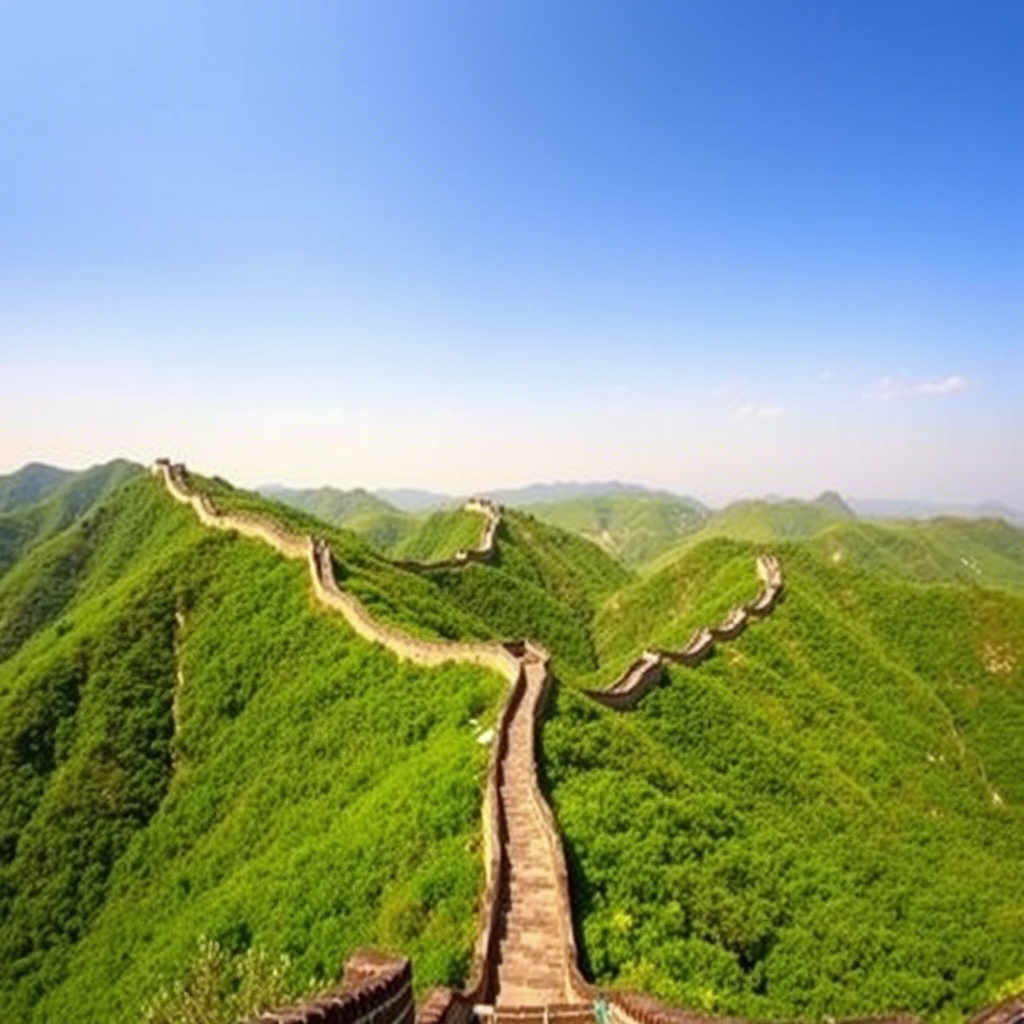
Quick Facts & Key Figures: The Wall by the Numbers 🧱
Sometimes numbers tell a story all on their own. The Great Wall is mind-bogglingly big, and its stats are pretty impressive. Here are some quick facts to wrap your head around:
- How Long Is It? This is the big one! The official length, including all its branches built over centuries, is a whopping 21,196.18 kilometers (13,170.70 miles). That’s like flying halfway around the world! 🤯 The main parts built during the Ming Dynasty (which are the most famous sections) stretch for about 8,851 kilometers (5,500 miles).
- How Old Is It? The Great Wall wasn’t built overnight. Construction started over 2,700 years ago, way back in the 7th century BC! Different dynasties (ruling families) added to it over time.
- Where Is It? It snakes across 15 regions in northern China, from the east coast near Korea all the way to the Gobi Desert in the west.
- World Famous: It’s so special that it was named a UNESCO World Heritage site in 1987. This means it’s recognized as having outstanding value to all of humanity.
- Myth Buster! Can You See It From Space? You might have heard you can see the Great Wall from the moon with just your eyes. Sadly, that’s a myth! Astronauts have confirmed it’s just too narrow to be seen from that far without help. You might be able to spot it from low Earth orbit under perfect conditions, but it’s tricky.
- Not Just One Wall: It’s actually a series of fortifications – walls, watchtowers, fortresses, and barracks – built by different dynasties often not even connected! Think of it more like a massive defence system.
Pretty amazing numbers, don’t you think? It really helps paint a picture of just how grand this project was.
Unraveling History: Dynasties, Defense, and Development 📜
Okay, let’s travel back in time! Understanding a bit about why and how the Great Wall was built makes visiting it even more meaningful. It wasn’t just one king saying, “Let’s build a giant wall!” It was a long, slow process driven by the need to protect ancient China.
Think about ancient China. It was made up of different kingdoms or states, and they often fought with each other. They also faced threats from nomadic groups (people who moved around instead of settling in one place) coming from the north.
Before It Was “Great” (Early Walls)
Long before China was one big country, around the 7th century BC (that’s over 2700 years ago!), some Chinese states started building walls to protect their borders. These early walls were mostly made of packed earth and wood – whatever materials were nearby. They were like fences, meant to slow down enemies rather than stop them completely.
Emperor Qin Shi Huang Connects the Dots (Qin Dynasty, 221-207 BC)
Everything changed with Emperor Qin Shi Huang (you might know him from the Terracotta Army!). He was the first emperor to unite China into one empire around 221 BC. To protect his new, vast empire from northern invaders like the Xiongnu, he had a bold idea: connect many of the existing northern walls and strengthen them. This was the first major effort to create a unified defence line. Imagine the work! Hundreds of thousands of people – soldiers, peasants, and even criminals – were forced to work on this massive project. It was tough, dangerous work.
Growing Bigger (Han Dynasty, 202 BC – 220 AD)
The Han Dynasty followed Qin. They made the Wall even longer, extending it westward into the desert. Why? To protect the super important Silk Road! This was a major trade route connecting China with the West, allowing goods like silk, spices, and ideas to travel back and forth. The Wall acted like a protective barrier for the traders and their valuable goods. They continued using packed earth and local materials.
The Wall We See Today (Ming Dynasty, 1368-1644 AD)
Fast forward over a thousand years! The Ming Dynasty faced serious threats from Mongol tribes in the north. They decided the old walls weren’t enough. So, they launched a massive rebuilding and expansion project that lasted for over 200 years! This is the Great Wall most tourists visit today.
What made the Ming Wall different?
- Better Materials: They used strong bricks and stones held together with mortar (sometimes even sticky rice mortar, which was surprisingly strong!). This made the walls taller, thicker, and much more durable than the old earth walls.
- More Features: They added thousands of watchtowers (for spotting enemies), beacon towers (for sending smoke signals quickly along the line), fortresses at key passes, and barracks for soldiers. It became a truly sophisticated military defence system.
Construction Insights: How Did They Do It?
Building the Wall was an incredible feat of engineering, especially back then!
- Materials: As we said, early walls used packed earth (rammed earth). Later, builders used stone blocks, especially for foundations, and high-quality bricks, especially during the Ming Dynasty. They used whatever was available locally – stone in the mountains, earth on the plains. And yes, that sticky rice mortar is real! Scientists found that adding sticky rice soup to the lime mortar made it incredibly strong and water-resistant. Clever, huh?
- The Workforce: Building the wall was back-breaking work. Millions of people worked on it over the centuries. Soldiers were involved in building and guarding. Peasants were often forced to leave their farms and work. Criminals were also sent to labor on the Wall as punishment. Sadly, conditions were harsh, and it’s believed that hundreds of thousands, perhaps even a million, people died during construction, especially during the Qin dynasty. This has led some to call it the “longest cemetery on Earth,” though finding actual burials within the wall itself is rare.
-
Features Explained: Those towers weren’t just for show!
- Watchtowers: Placed high up, soldiers could see enemies coming from far away.
- Beacon Towers: Built within sight of each other. If enemies were spotted, soldiers would light fires producing smoke signals (or just fires at night). One puff of smoke might mean a small group, more smoke meant a larger army! This allowed messages to travel hundreds of miles in just a few hours – like an ancient telegraph system!
- Forts/Passes: Heavily guarded gateways at important strategic locations, like mountain passes (e.g., Shanhai Pass, Jiayu Pass). These controlled who came in and out.
So, the Great Wall we see isn’t just one structure, but layers of history built by different people for different reasons, all contributing to this amazing landmark.
Which Section of the Great Wall Should You Visit? (The Definitive Comparison) 🤔
Okay, planning time! This is often the biggest question: with thousands of kilometers of Wall, which part should I actually visit? There’s no single “best” section – it really depends on what you’re looking for!
Think about these things:
- How close is it to Beijing (where most people start)?
- Do you mind big crowds, or do you prefer peace and quiet?
- Do you want a fully restored section that’s easy to walk on, or a wild, crumbly section for adventure?
- How much hiking are you up for?
- What kind of scenery do you want (mountains, lakes)?
- Are you traveling with kids or older family members?
- How much time do you have?
Let’s break down the most popular and interesting sections near Beijing to help you choose:
The Classics (Great for First-Timers & Accessibility):
-
Badaling (八达岭)
- Pros: 👍 Closest section to Beijing (about 1.5 hours). 👍 Very well-restored, easy to walk on paved paths. 👍 Accessible by public train and bus easily and cheaply. 👍 Has cable cars to help you get up. 👍 Lots of facilities (shops, food).
- Cons: 👎 EXTREMELY CROWDED! Often packed with tour groups. 👎 Can feel very commercialized.
- Best For: People short on time, those who prefer easy walking, families needing facilities, budget travelers using public transport. Think convenience, but be prepared for crowds.
-
Mutianyu (慕田峪)
- Pros: 👍 Stunning mountain scenery, especially with autumn colors or spring blossoms. 👍 Beautifully restored. 👍 Less crowded than Badaling (though still popular). 👍 Fun ways up and down: enclosed cable car, open chairlift, and an awesome toboggan slide back down! 🎢
- Cons: 👎 Still attracts plenty of visitors. 👎 Slightly further from Beijing than Badaling (about 1.5-2 hours). 👎 Getting there by public transport is possible but takes longer / involves transfers.
- Best For: First-time visitors wanting a balance of beauty and accessibility, families (kids LOVE the toboggan!), photographers, those willing to spend a bit more for a better experience than Badaling. Our general recommendation for most first-time visitors!
The Hikers’ Favorites (More Scenery, Fewer Crowds):
-
Jinshanling (金山岭)
- Pros: 👍 Spectacular views and incredible photo opportunities. 👍 Offers a great mix of restored sections and more original, slightly wilder parts. 👍 Excellent for hiking (can hike towards Simatai). 👍 Significantly fewer crowds than Badaling or Mutianyu. 👍 Has a cable car option.
- Cons: 👎 Further from Beijing (about 2.5-3 hours). 👎 Requires more walking and effort. 👎 Fewer facilities.
- Best For: Hikers, photographers, people wanting more authentic Wall experience with amazing scenery, those trying to escape the main crowds. A fantastic choice if you have a full day and enjoy walking.
-
Simatai (司马台)
- Pros: 👍 Known for its steepness and dramatic, unrestored sections (“Sky Bridge”). 👍 The only major section open for night tours (beautifully lit). ✨ 👍 Often visited with the nearby Gubei Water Town (a recreated traditional town).
- Cons: 👎 Access is often linked with Gubei Water Town entrance fees. 👎 Some parts are very steep and challenging. 👎 Further from Beijing (about 2.5-3 hours).
- Best For: Adventurous hikers, people seeking a unique night experience, those interested in visiting Gubei Water Town.
The Wild & Adventurous (Authentic & Challenging):
-
Jiankou (箭扣)
- Pros: 👍 Completely unrestored, wild Wall – looks like it did centuries ago. 👍 Offers some of the most iconic and dramatic Great Wall photos (often seen in books). 👍 Very challenging and rewarding hike. 👍 You’ll likely have it almost to yourself.
- Cons: 👎 Difficult to access. 👎 Dangerous in places – crumbling bricks, steep climbs, no handrails. 👎 Absolutely no facilities. 👎 Not recommended without a guide or prior hiking experience.
- Best For: Experienced hikers, adventure seekers, serious photographers looking for raw beauty. Approach with caution and preparation!
-
Huanghuacheng (黄花城 – Lakeside Wall)
- Pros: 👍 Unique setting where the Wall meets a lake/reservoir – parts are even submerged! 🏞️ 👍 Beautiful scenery, especially with yellow flowers (huanghua) in summer. 👍 Less crowded than the main sections. 👍 Mix of restored and unrestored parts.
- Cons: 👎 Public transport is tricky; usually requires a private car or tour. 👎 Some parts involve boat rides or walking around the water.
- Best For: Scenery lovers, photographers wanting unique shots, people looking for a less common but beautiful section.
Other Sections to Know:
- Shanhaiguan (山海关): Famous as the “Old Dragon’s Head,” where the Great Wall meets the Bohai Sea in the east. (Further from Beijing).
- Jiayuguan (嘉峪关): Marks the western end of the Ming Dynasty Wall, a magnificent fortress in the desert. (Very far west).
So, Which One?
- Easy & Quick: Badaling
- Best All-Rounder (esp. Families): Mutianyu
- Best Views & Hiking (Less Crowds): Jinshanling
- Wild Adventure: Jiankou (with caution!)
- Unique Scenery: Huanghuacheng
- Night Tour: Simatai
Hopefully, this breakdown makes the choice a little easier! Think about your priorities, and pick the section that excites you most. 😊
Planning Your Great Wall Adventure: Logistics & Tips 📝
You’ve picked your section (or narrowed it down!), now let’s talk practical stuff. Good planning makes for a smooth and enjoyable trip. Here’s your checklist:
When’s the Best Time to Visit? ☀️🍂❄️🌸
- Spring (April-May): Pleasant temperatures, blooming flowers, green scenery. A great time!
- Summer (June-August): Can be hot, rainy, and hazy. Also peak tourist season, so expect more crowds.
- Autumn (September-October): Often considered the best time! Clear skies, comfortable temperatures, beautiful autumn colors on the trees. Gorgeous!
- Winter (November-March): Cold, possibly snowy (which looks amazing!), but fewer crowds. You’ll need warm clothes!
- 🚨 AVOID: Major Chinese national holidays (like Golden Week in early October, Labour Day in early May, Spring Festival/Chinese New Year) unless you enjoy massive crowds!
Getting There (From Beijing): 🚗🚌🚆
- Public Bus: Cheapest option. Available for Badaling and sometimes Mutianyu (might require transfers). Can be slow and crowded.
- Tourist Bus / Shuttle: Often direct routes to popular sections like Mutianyu from downtown Beijing. More comfortable than public bus.
- Train: High-speed train is available for Badaling – fast and convenient.
- Taxi / Ride-Sharing (e.g., Didi): More expensive, agree on price beforehand (especially for waiting time). Might be hard to get a return ride from less popular sections.
- Private Driver / Car Hire: Most convenient and flexible, especially for families or visiting multiple spots. You hire a car and driver for the day. Costs more but saves hassle. Book through your hotel or reputable agencies.
- Guided Tour: Easiest option. Includes transport, tickets, often lunch, and a guide. Great if you don’t want to worry about logistics. Choose reputable companies.
Tickets, Hours, and Costs: 🎟️💰
- Entrance Fees: Vary by section, typically 40-65 RMB ($6-$10 USD) per adult. Discounts for students/seniors often available.
- Cable Cars / Lifts / Toboggan: These are extra costs, usually 100-140 RMB ($15-$20 USD) for round trips or one-way rides.
- Booking: For popular sections like Mutianyu, booking tickets online in advance is highly recommended, especially during busy times. You often need your passport number. Badaling also gets very busy. Less popular sections might allow buying tickets on arrival.
- Opening Hours: Generally open from morning (around 7:30 AM) to late afternoon (around 5:00 PM). Hours can change slightly depending on the season and section. Check official websites!
How Much Time Do You Need? ⏰
- Plan for a full day trip for most sections when traveling from Beijing. This includes travel time (1.5-3 hours each way), plus 3-4 hours exploring the Wall itself. Don’t rush it!
Essential Packing List: 🎒👟
- Comfortable Shoes: You’ll be doing a lot of walking, often on uneven steps! Sneakers or hiking shoes are best.
- Layers of Clothing: Weather can change. Wear layers you can remove or add.
- Sun Protection: Hat, sunglasses, sunscreen – even on cloudy days.
- Water: Stay hydrated! Bring plenty, especially in summer or if hiking strenuous sections.
- Snacks: Energy bars, fruit, nuts. While some sections have food stalls, choices might be limited or expensive. Wild sections have none.
- Cash: For snacks, souvenirs, or maybe restrooms (some might charge a small fee).
- Camera/Phone: For all those amazing photos! 📸
- Passport: You often need it to buy tickets or pass checkpoints.
- (Optional) Hiking poles if doing challenging hikes.
Food and Drink: 🥤🍎
- Popular sections (Badaling, Mutianyu) have restaurants and kiosks near the entrance (think fast food, simple Chinese dishes, drinks). Prices are higher than in the city.
- Less popular/wild sections have very limited or no food options. Pack your own!
Accommodation: 🏨
- Most people visit the Great Wall as a day trip from Beijing.
- However, staying overnight near some sections (like Jinshanling or near Mutianyu) is possible in guesthouses or unique hotels (like the Commune by the Great Wall). This allows you to see sunrise/sunset on the Wall – magical!
**Accessibility Considerations:**♿
- The Great Wall is historical and built on mountains, making it challenging for visitors with mobility issues.
- Mutianyu and Badaling are the most accessible, offering cable cars or lifts to get onto the Wall itself, avoiding the steepest climbs up to the wall. Once on the Wall, paths are paved but still involve many steps and slopes.
- Wheelchair access is very limited. Some specific, flatter viewing platforms might be reachable at Badaling, but navigating the main Wall is generally not feasible. Check official section websites for the latest accessibility information.
A little planning goes a long way to making your Great Wall trip smooth and unforgettable!
Experiencing the Wall: Beyond Just Walking 🚶♀️➡️🧗♀️📸
Sure, walking along the Great Wall is the main event, but there are other cool ways to experience it too!
Hiking the Great Wall:
- Casual Strolls: Sections like Mutianyu and Badaling offer relatively easy walks on restored paths. You can walk as little or as much as you like between towers.
- Moderate Hikes: Jinshanling offers fantastic hiking for several hours, with a mix of restored and original sections and stunning views.
- Challenging Treks: Routes like Jiankou-to-Mutianyu (often takes 4-5 hours) or parts of Simatai offer strenuous hiking on wild, unrestored Wall. These require good fitness, preparation, and often a guide for safety. Remember, wild sections can be dangerous!
Photography Guide: 📷
- Golden Hours: Sunrise and sunset offer the most beautiful light and fewer crowds (if staying nearby or on a special tour).
- Leading Lines: Use the winding Wall itself to draw the viewer’s eye into your photo.
- Include People (or not): A lone figure can show scale, while empty sections emphasize grandeur. Capturing local life nearby adds context.
- Iconic Spots: Mutianyu’s Tower 14 or 20 area, Jinshanling’s various towers, Jiankou’s dramatic curves (“Upward Flying Eagle”).
- Gear: Wide-angle lens for landscapes, telephoto for details on towers or distant sections. Tripod for low light.
Unique Experiences: ✨
- Mutianyu Toboggan: Whizzing down the mountainside on a luge-style track after walking the Wall – super fun!
- Simatai Night Tour: Seeing the Wall lit up against the night sky is a completely different and magical experience.
- Camping Near the Wall: Some tours or designated campsites (like near Jinshanling or Huanghuacheng) offer the chance to camp overnight for sunset/sunrise views. (Check regulations!)
- Great Wall Marathon: For the super-fit, this annual event is one of the world’s toughest marathons!
- Cultural Activities: Some sections like Mutianyu offer extra experiences like banquets or educational tours.
Exploring Nearby: 🏘️
- Gubei Water Town: A picturesque (though newly built) water town at the base of Simatai. Often combined with a Simatai visit.
- Ming Tombs: The burial site of 13 Ming emperors, located relatively close to some northern Wall sections, often visited on the same day trip.
- Local Villages: Visiting villages near less-touristy sections can offer a glimpse into rural Chinese life.
Think beyond just walking – adding one of these experiences can make your trip even more memorable!
Legends, Myths, and Cultural Significance 💖🐲
The Great Wall isn’t just bricks and stone; it’s woven into the fabric of Chinese culture, filled with stories, legends, and powerful symbolism.
The Legend of Meng Jiangnu (孟姜女): This is the most famous Great Wall legend, a sad love story. The tale goes that Meng Jiangnu’s husband was forced to work on building the Wall during the Qin Dynasty. She missed him dearly and traveled a long way to bring him winter clothes. When she arrived, she discovered he had died from exhaustion and was buried somewhere within the Wall. Heartbroken, she wept so bitterly by the Wall that her sorrow caused a section of it to collapse, revealing her husband’s bones so she could give him a proper burial. It’s a powerful story about love, loss, and the human cost of building the Wall.
Debunking Common Myths:
- Visible from Space/Moon? We busted this one already – nope! It’s a persistent myth but not true for the naked eye.
- Bodies in the Wall? While many workers died during construction and the Wall is sometimes called the “longest cemetery,” workers weren’t typically buried inside the Wall structure itself. They were usually buried in graves nearby. Archaeologists have found human remains near the Wall, but not as part of the building material.
Symbol of China: 🇨🇳 For China, the Great Wall is more than a historical site. It represents:
- Strength and Resilience: A symbol of the Chinese nation’s ability to endure hardship and protect itself.
- Unity: Especially the Qin Wall, representing the unification of China.
- Historical Power: A testament to the ingenuity, resources, and ambition of ancient Chinese dynasties.
- National Pride: It’s a powerful icon recognized worldwide, featured on currency and in countless artworks.
The Great Wall in Modern Culture: The Wall continues to inspire. You’ll see it featured in:
- Movies: From historical epics to action films (like Disney’s Mulan or The Great Wall starring Matt Damon – though that one took many historical liberties!).
- Literature: Poems, stories, and books often use the Wall as a backdrop or symbol.
- Art: Countless paintings, photographs, and sculptures depict its grandeur.
- Sayings: A famous quote attributed to Mao Zedong is “He who has not climbed the Great Wall is not a true man” (不到长城非好汉 – Bú dào Chángchéng fēi hǎohàn), encouraging perseverance and visiting this national symbol.
Understanding these stories and symbols adds another layer of appreciation when you stand on the Wall yourself.
Preservation and the Future of the Wall 🌱❤️
Building the Great Wall was a massive task, but protecting it today is another huge challenge. Large parts of the Wall are disappearing!
Threats:
- Natural Erosion: Wind, rain, snow, and plants growing in cracks slowly wear down the Wall, especially the older sections made of rammed earth. About one-third of the Ming Wall has already disappeared.
-
Human Impact:
- Tourism: Millions of visitors walking on the Wall inevitably cause wear and tear. Graffiti and litter are also problems in some areas.
- Development: Sometimes roads or buildings are built too close to the Wall, damaging sections or the surrounding landscape.
- Brick Theft: In the past (and sometimes still in remote areas), local villagers took bricks from the Wall to build their own houses or animal shelters.
Conservation Efforts: 🛠️
- China recognizes the Wall’s importance and has laws to protect it.
- Restoration Projects: Sections popular with tourists (like Badaling and Mutianyu) have been heavily restored. There are ongoing debates about how much to restore – should it look brand new, or should its age show?
- UNESCO: Its World Heritage status brings international attention and encourages conservation standards.
- Research: Scientists study the best ways to preserve the Wall using traditional materials and modern techniques.
- Local Guardians: Some programs employ local villagers as guardians to monitor remote sections.
Responsible Tourism: How You Can Help! 🙏 Visiting the Great Wall is amazing, but we all have a part to play in protecting it for the future. Here’s how you can be a responsible tourist:
- Stay on Marked Paths: Don’t climb on unstable or crumbling sections.
- Don’t Take Souvenirs: Leave rocks, bricks, and plants where they belong.
- No Graffiti: Never write or carve on the Wall. Take photos, leave only footprints! 👣
- Pack Out Your Trash: Take all your litter with you. Leave the place cleaner than you found it, if possible.
- Respect Local Culture: If visiting nearby villages, be mindful and respectful.
- Support Sustainable Tourism: Choose tour operators who emphasize responsible practices.
By being mindful visitors, we can help ensure this incredible wonder lasts for generations to come.
Conclusion: Your Great Wall Journey Awaits! ✨
Wow, we’ve covered a lot, haven’t we? From its mind-boggling size and incredible history spanning dynasties to the practical tips for choosing a section and planning your visit, the Great Wall of China is truly a destination like no other.
It’s a place that makes you feel small against the backdrop of history and nature. It’s a physical reminder of human ambition, struggle, and ingenuity. Whether you choose the bustling energy of Badaling, the scenic beauty of Mutianyu, the hiking trails of Jinshanling, or the wild adventure of Jiankou, standing on that ancient structure is an experience you won’t forget.
Remember to plan ahead, choose the section that best suits you, pack wisely, and most importantly, be a responsible visitor. The Great Wall has stood for centuries, and with care, it will continue to inspire awe for centuries more.
So, are you ready to step into history? Your Great Wall journey awaits! We hope this guide helps you make it amazing. Happy travels! 😊
Frequently Asked Questions (FAQ) ❓
Here are quick answers to some common questions:
- How long is the Great Wall of China? The total length of all sections built throughout history is about 21,196 km (13,171 miles). The main Ming Dynasty wall is about 8,851 km (5,500 miles).
- Can you walk the entire Great Wall? No. It’s not one continuous wall, many parts are ruins or gone completely, and it would take years! People have hiked long distances along connected sections, though.
-
Which section is best for families/hiking/photos?
- Families: Mutianyu (scenic, accessible, toboggan fun!).
- Hiking: Jinshanling (great views, mix of restored/wild), or Jiankou (challenging/wild – use caution!).
- Photos: Mutianyu, Jinshanling, Jiankou, Huanghuacheng all offer stunning and different photographic opportunities.
- Is the Great Wall visible from space? No, not with the naked eye. That’s a popular myth!
- How much does it cost to visit? Entrance fees are usually 40-65 RMB ($6-$10 USD). Cable cars/lifts cost extra (around 100-140 RMB / $15-$20 USD). Transport and tours add to the cost.
- What is the best way to get to the Great Wall from Beijing? It depends on the section and your budget. Private driver/tour offers most convenience. Badaling is easy by train. Mutianyu is often reached by tourist bus or private car. Public buses are cheapest but slower.